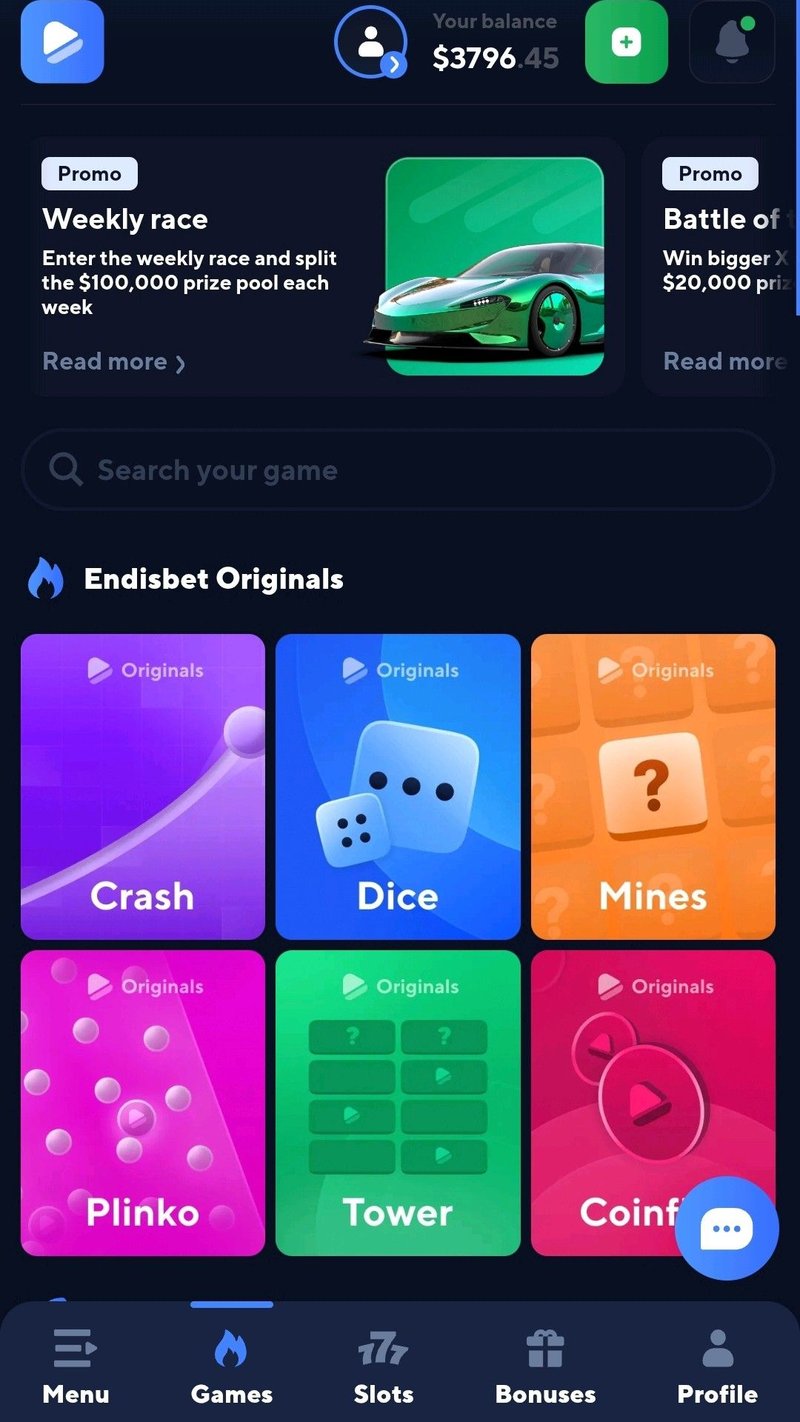
In 2023 the UK mobile gaming market hit £5.8 billion, a 12 % jump from 2022. Downloads of casual titles topped 1.2 billion, while premium games pulled in 350 million active users. The average spend per player reached £9.50, up from £7.80 last year. These figures show that mobile isn’t just a side‑channel; it’s the primary driver of digital entertainment spend.
App Store Strategies
Developers now launch “soft‑launch” versions in smaller regions, tweaking controls and ad placement before a full release. In the UK, a 2024 study found that 78 % of successful titles used this approach, cutting launch risk by an estimated 25 %. The Apple App Store’s new “App Clips” feature, which lets players try a game for 30 seconds before downloading, increased first‑time installs by 18 % for titles that supported it.
Social Features Changing Play
Cross‑platform leaderboards and in‑game voice chat have turned solitary gaming into a communal experience. A 2023 survey revealed that 63 % of UK players now share achievements on social media, and 47 % participate in live streaming sessions. Games that integrate with Discord or Twitch see a 22 % higher retention rate over three months compared to those that don’t.
Hardware Advances
The rollout of 5G in 2024 has slashed load times for graphically intensive titles. Players report a 40 % reduction in buffering when streaming cloud‑based games on a 5G connection. Meanwhile, OLED displays on the latest iPhone and Galaxy models deliver 100 % more color saturation, giving indie developers a cheaper route to high‑fidelity visuals.
From Mobile to the Broader Entertainment Ecosystem
As mobile games grow in quality, many are branching into adjacent entertainment sectors. For instance, a popular puzzle app expanded into a live‑action escape room chain, while a rhythm game’s soundtrack topped the UK iTunes charts. These cross‑media moves illustrate how the boundaries between gaming, music, and live events are blurring. If you’re curious about how digital play can transition into real‑world thrills, check out the offerings at Verywell casino.
Future Outlook and Which to Pick?
Looking ahead, subscription models are set to dominate. The UK market is projected to grow to £7.3 billion by 2026, with subscription revenue accounting for 36 % of total spend. Developers that offer a “freemium + subscription” bundle—free to play with optional monthly passes—are expected to capture the largest share. For players, the best approach is to choose titles that support cross‑device play and offer regular content updates; this ensures that the game stays fresh and the community remains active.
Conclusion
Mobile gaming has moved beyond casual pastime; it now fuels a multi‑channel entertainment ecosystem that reaches into music, live events, and even physical experiences. The blend of aggressive app‑store tactics, social connectivity, and cutting‑edge hardware is reshaping how UK audiences consume entertainment. Whether you’re a casual player or a serious enthusiast, the future of mobile gaming promises deeper engagement and more diverse opportunities.
Frequently Asked Questions
What was the total UK mobile gaming market size in 2023?
The market reached £5.8 billion, up 12% from 2022.
How many downloads did casual titles achieve?
Casual games saw over 1.2 billion downloads across the year.
What was the average spend per player?
Players averaged £9.50 per year, a rise from £7.80 in 2022.
Why is mobile considered the primary driver of digital entertainment spend?
Because of its high user base, strong revenue, and growing adoption as a main gaming platform.